
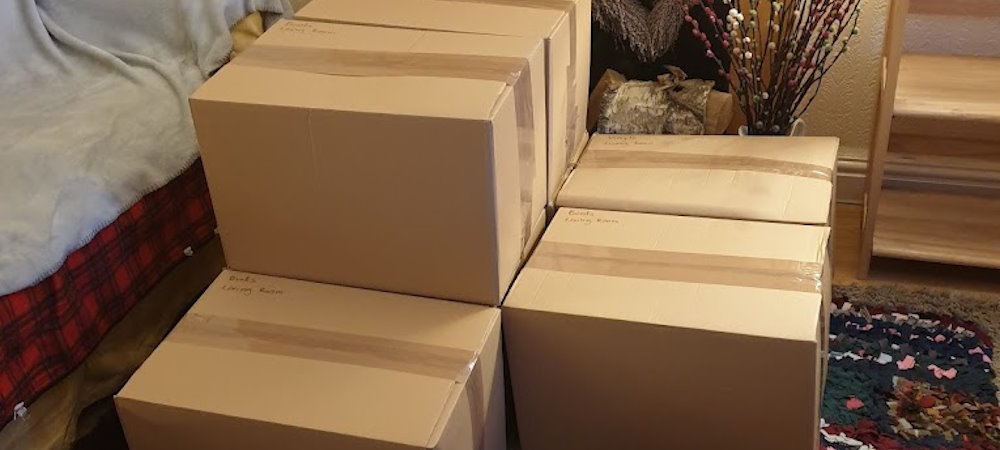
Moving home demands order. Start with the right items, and the entire process runs more smoothly. Pack the things you rarely use first. This clears space, reduces clutter, and gives you time to organise the essentials later. A smart packing order also protects fragile items and prevents last-minute panic.
Follow this approach for an efficient start.
Seasonal Clothes and Out-of-Season Items
Begin with seasonal clothing you will not wear before the move. If you relocate in summer, pack winter coats, scarves, heavy jumpers, and boots first. During a winter move, box summer dresses, sandals, and beachwear.
These items sit unused for months. Packing them early reduces wardrobe bulk and creates space for sorting.
Use medium boxes. Fold clothes tightly. Fill gaps with socks or smaller garments to prevent shifting. Vacuum storage bags also work well for bulky items such as duvets and padded jackets. Label each box clearly with “Seasonal Clothes” and the destination room.
This simple step removes a large volume of belongings without affecting daily life.
Books, Décor, and Display Pieces
Bookshelves, ornaments, framed photos, and decorative pieces should follow next. They often hold sentimental value but rarely serve a daily function.
Wrap fragile ornaments and picture frames in packing paper or soft fabric. Avoid newspapers because the ink transfers easily. Place heavier books at the bottom of boxes. Stack smaller books upright to prevent spine damage.
Group similar items together:
- Books
- Photo frames
- Wall art
- Decorative objects
Keep boxes small and seal them securely. Clearly mark each as “Heavy – Books” to prevent injury when lifting.
Clearing shelves early makes rooms feel organised and ready for the final packing phase.
Storage Areas and Spare Rooms
Lofts, garages, basements, and spare rooms often hide forgotten belongings. These areas contain items you rarely touch, which makes them ideal starting points.
Sort everything into three groups:
- Keep
- Donate
- Dispose
Remove unnecessary clutter before packing. Fewer items mean lower moving costs and quicker unpacking later.
Pack tools, old documents, sports gear, camping equipment, and spare household items into labelled boxes. Wrap sharp tools safely and secure loose parts in small bags.
Storage areas often contain awkward shapes. Use strong tape and sturdy boxes. Mark each container with the room and contents.
Fine China and Special Occasion Kitchenware
Most kitchens hold items used only during celebrations. Examples include:
- Fine china
- Crystal glasses
- Serving platters
- Large roasting trays
Pack these early. Leave the everyday plates and cups until later.
Wrap each dish individually with packing paper. Stack plates vertically rather than flat to reduce breakage risk. Place a cushion layer at the bottom of the box using towels or crumpled paper.
Fill empty spaces so nothing moves during transport. Clearly label boxes “Fragile – Kitchenware.”
Store these boxes in a safe, out-of-the-way corner, away from heavy items.
Wall Hangings and Artwork
Remove paintings, mirrors, and wall décor several weeks before moving day. Bare walls make packing easier and prevent last-minute damage.
Wrap artwork in bubble wrap or thick blankets. Secure corners with cardboard protectors if possible. Large mirrors should be transported upright in reinforced boxes.
Label each item with its destination room. This helps movers place them correctly in the new house.
Rarely Used Electronics
Many homes contain electronics used only on occasion. Examples include spare televisions, projectors, gaming consoles, or older speakers.
Disconnect cables and store them in labelled bags. Wrap devices with anti-static bubble wrap or soft cloth.
If you still own the original packaging, use it. Manufacturers design these boxes for protection.
Place electronics in sturdy boxes with padding. Mark them clearly as “Electronics – Handle Carefully.”
Important Documents and Personal Records
Gather passports, property papers, insurance files, medical records, and financial documents early in the process. Do not mix them with general packing.
Store everything in a single secure folder or lockable box. Carry this container with you during the move rather than placing it on the moving van.
This prevents loss and ensures you can access key documents when needed.
Create an Essentials Box for Moving Day
While packing early items, set aside one box to keep open until the final hours. This essentials box will travel with you.
Include:
- Phone chargers
- Basic toiletries
- Medications
- Snacks and bottled water
- Important keys
- Cleaning wipes
- A change of clothes
- Basic tools such as a screwdriver
Keep this box clearly marked and separate from all others.
Pack Early, Move Smoothly
A well-planned packing order saves time and stress. Start with seasonal clothing, books, décor, storage items, and special occasion kitchenware. Continue with wall art, rarely used electronics, and organised documents.
Each packed box reduces clutter and prepares the home for the final stage. By the time moving day arrives, only daily essentials remain.
That level of preparation turns a chaotic move into a controlled, efficient transition to your new home.


